Patient-Led, Culturally Grounded Care.
You are the expert on your own life. We bring the health knowledge. You bring everything else: your history, your language, your family, your fears, your reasons for showing up. Care has to start there.
Ubuntu is an African philosophy that holds that your humanity is bound up with mine. We use it as a way of working.
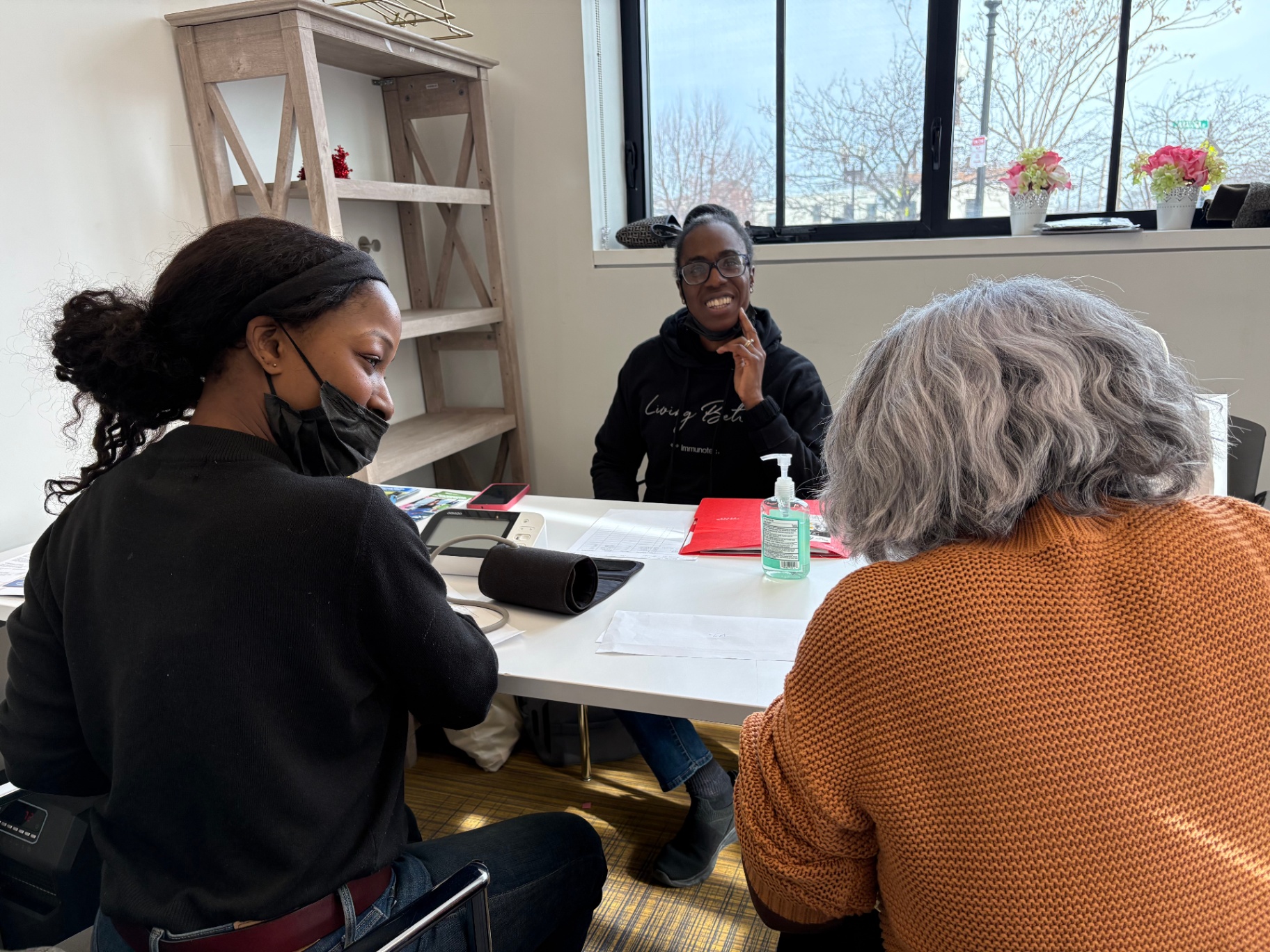
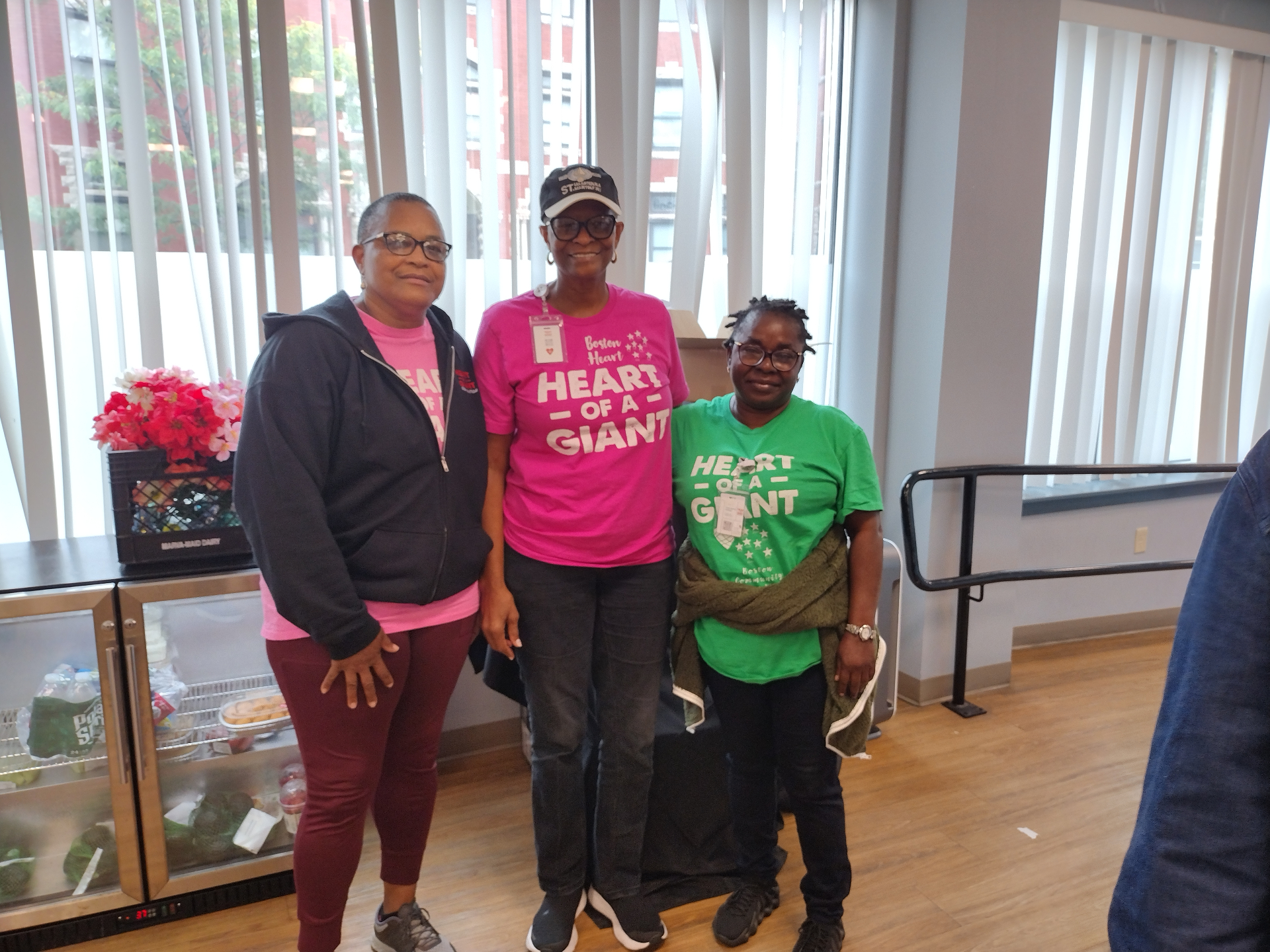
Most health organizations serve communities. We work alongside them, alongside the clinicians who care for them, and alongside the institutions that want to reach them more effectively. Ubuntu is the reason that works.
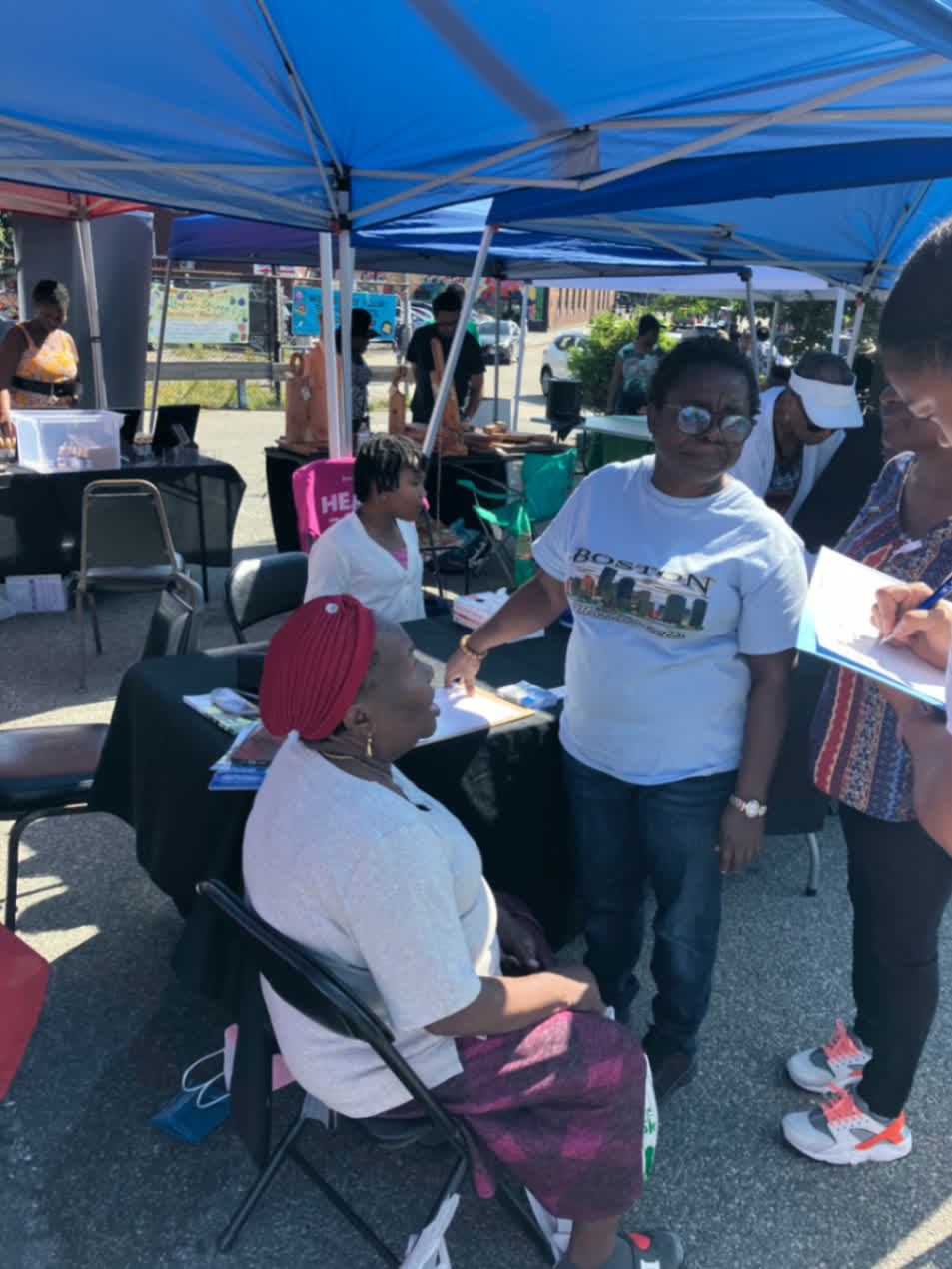
A community health worker who lives on the same street as the person she is screening is what makes the work possible. She’s the reason that person comes back, calls when something feels wrong, and fills the prescription instead of leaving it on the counter.
That trust comes from a shared neighborhood and, often, a shared language. It comes from Ubuntu.
When we say we’re guided by this philosophy, we mean it changes what we do. It means a community health worker stays past the end of a screening because a participant needed someone to sit with her while she processed a frightening number. It means we follow up. We measure success by how many people come back.
You are the expert on your own life. We bring the health knowledge. You bring everything else: your history, your language, your family, your fears, your reasons for showing up. Care has to start there.
The communities we work in are full of knowledge, relationships, and resilience that no outside organization can replicate. Our job is to work with that.
What we learn in Mattapan belongs to Mattapan. We track outcomes, generate evidence, and bring community knowledge into clinical and research partnerships, so that what works here can reach the people who make decisions about health at scale.
Bouba was born in Senegal to Senegalese and Malian parents, grew up in Mali, went to university in South Africa, and later built a life in Boston. The word Ubuntu comes from southern Africa. The idea behind it is how he was raised, and it is how he survived.
“The relationships, the social capital, that I've enjoyed since birth is literally the reason I'm still alive.”
Bouba Diemé, Vital Connections, 2024
When he built Heart of a Giant, he built it on what he knew to be true: that health is not individual. It is communal. Your neighbor’s blood pressure is your business. Your block’s access to care is your concern.
“I've been coming to screenings for two years. My community health worker helped me understand my medications, helped me find a doctor when I didn't have one, and checks in on me every few months.”
Community member, Greater Boston
“Trust isn't built on credentials. It's built on shared experience.”
Andrelle Cadet-Piard, CMA, Community Health Worker, Mattapan and Haitian communities
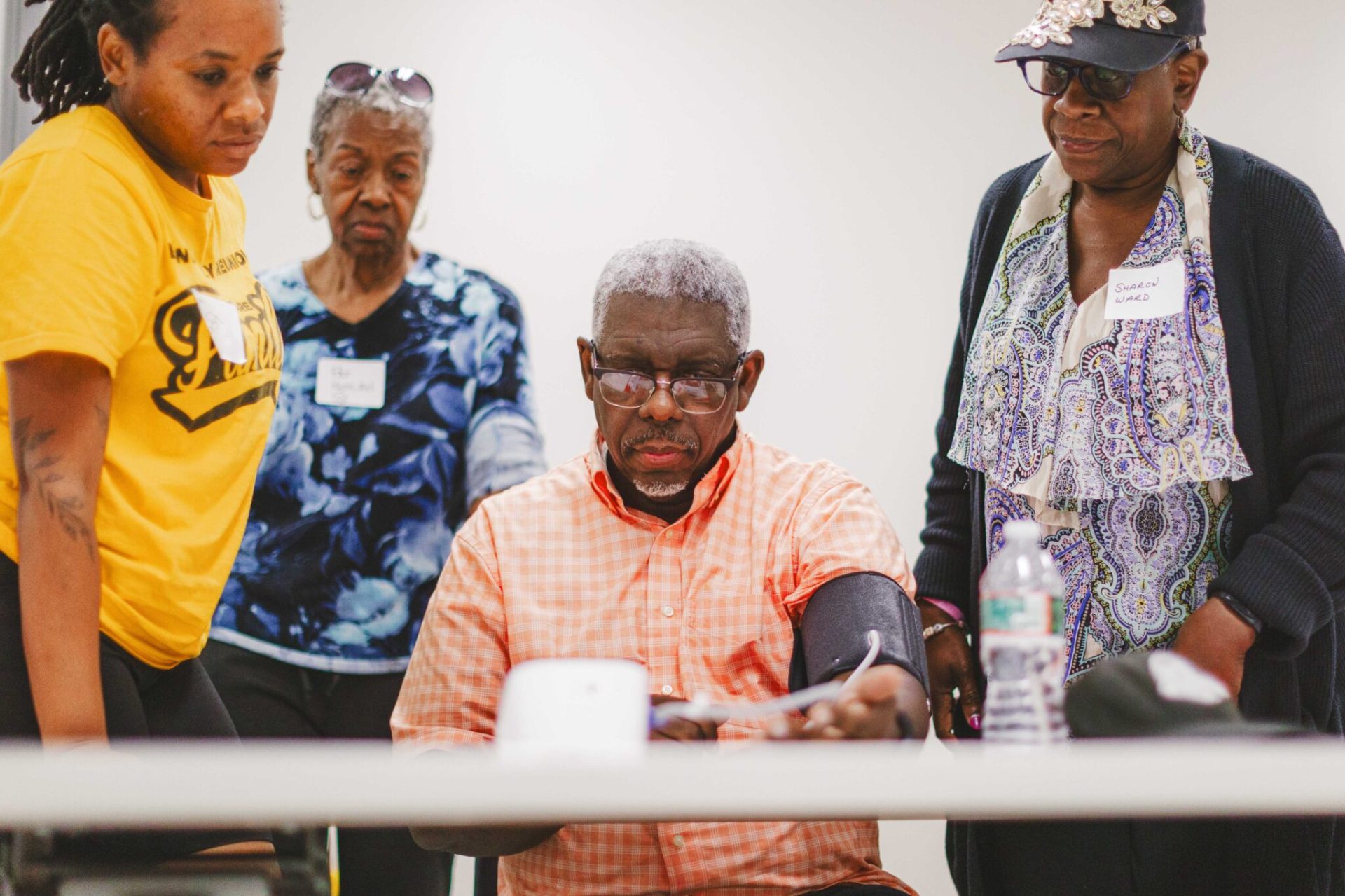
If you are a neighbor who wants a screening, come in. If you are a health system that wants to reach communities more effectively, let’s talk. We are here to help your care reach further. If you are a funder who believes community relationships are health infrastructure, we would like to show you what we have built.
One door, placed where you are ready